The Novella as a Container for Almost Nothing Happening
People sometimes ask why I write shorter fiction and not full novels. I understand the question. A novella looks, from the outside, like a smaller thing, a lesser commitment, something you'd graduate from rather than choose deliberately.
But what I love about novella’s is that they are deliberately short. They say what they need to and nothing more. There’s no filler. No hard going, slow middle. And they appeal to my ND brain that likes to get things finished and explore lots of different things at once. I can’t do that with a novel that requires more complexity. So I think the novella is the perfect size for the kind of truth I'm interested in. And I know lots of my readers, being neurodivergent, appreciate the brevity.
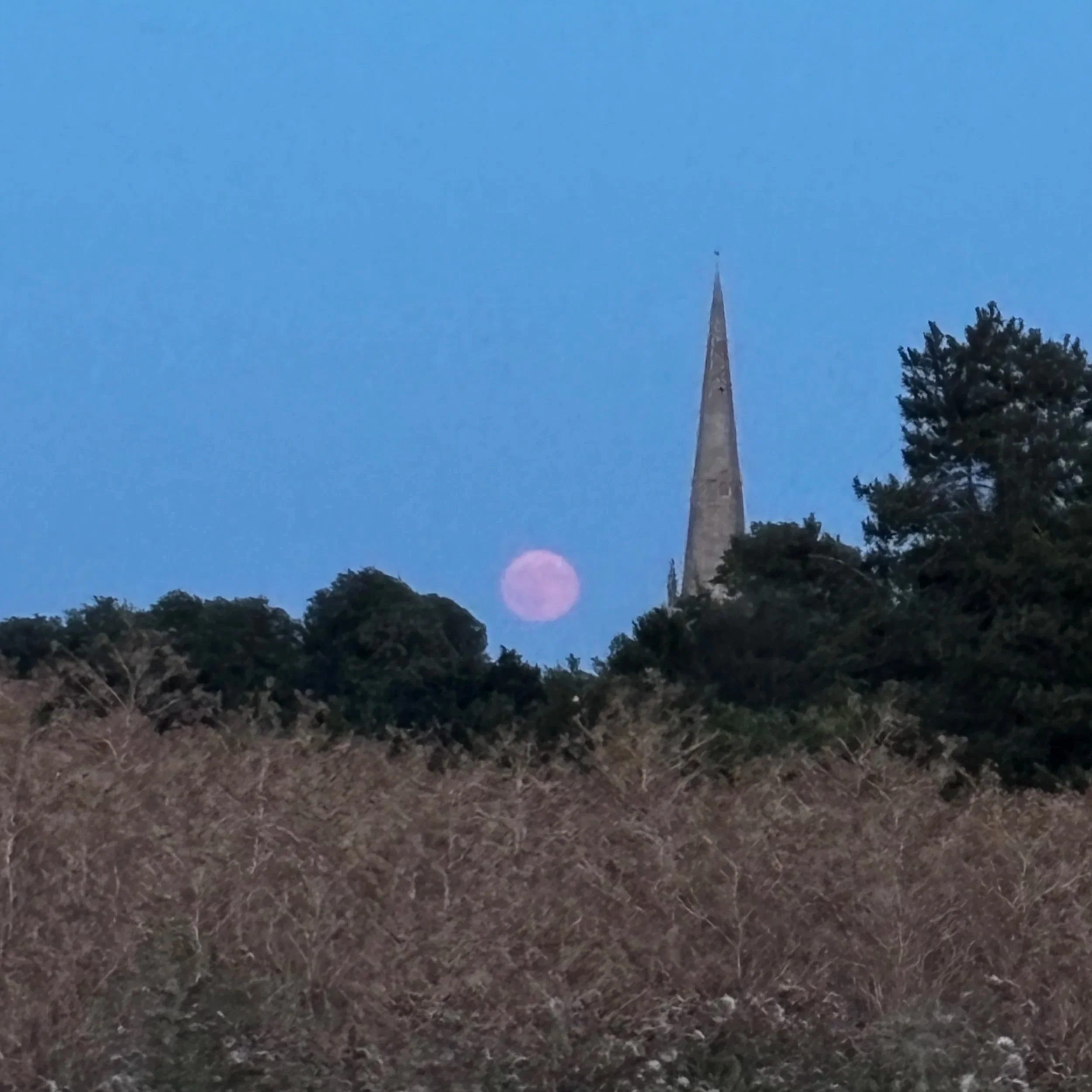
One thing readers notice about my books is that almost nothing happens. But also, everything happens. I'm drawn to writing that way because almost nothing happening is, in my experience, where most of a life actually takes place. The people I write about are rarely in the middle of a dramatic event. They're in the aftermath of one, or the long quiet corridor before one, which is where grief and dissociation and the slow work of unbecoming someone actually live. Very little of that is plot. Almost all of it is atmosphere; the texture of a Tuesday that looks like every other Tuesday from the outside and is, on the inside, load-bearing.
I really feel that is the neurodivergent experience. Normal days can feel stuffed full of unsaid, traumatic, stressful, overwhelming things that creep up on us undefined and undefinable. For years I had no idea why I burnt out repeatedly each year. Or had meltdowns. One day felt like the next but that next felt unbearable. And I know (and work with, helping them figure this out) that so many neurodivergent, hypermobile, inflamed women feel the exact same way.
A novella forces you to trust that atmosphere is enough. You can't pad it with subplot. You can't rescue a slow chapter with a twist two hundred pages later. Every sentence has to be doing something, even when nothing is happening in it. I find that a more honest (and interesting) way to write about interior experience than plot, because interior experience mostly isn't plotted. It just accumulates, quietly, until it isn't quiet anymore.
Little Bird was the first time I let myself write this way. Without adding a subplot to make it feel more like a ‘proper’ book. It's short. Not much happens in the way a screenwriting or book writing course might recognise as happening. But something happens in it that I think matters more: a family recognising, slowly, that the way they’ve been living isn't sustainable, and doing almost nothing visible about it for the entire length of the book. Even at the end it softly resolves with space for the reader to interpret it themselves. Or at least that is what I try to do with my books.
I like to write in a way that shows I trust a reader to feel the weight of it. And let them feel it. And leave them with thoughts, questions, and perhaps helps them move through something they didn’t know they were holding until that moment. That is my aim, anyway.
Thank you for reading this far,
Warmly
Claire
Little Bird, a novella about the invisible sibling in neurodivergent families, misdiagnosis, and the fight to be seen, is out now.